Chronic Obstructive Pulmonary Disease

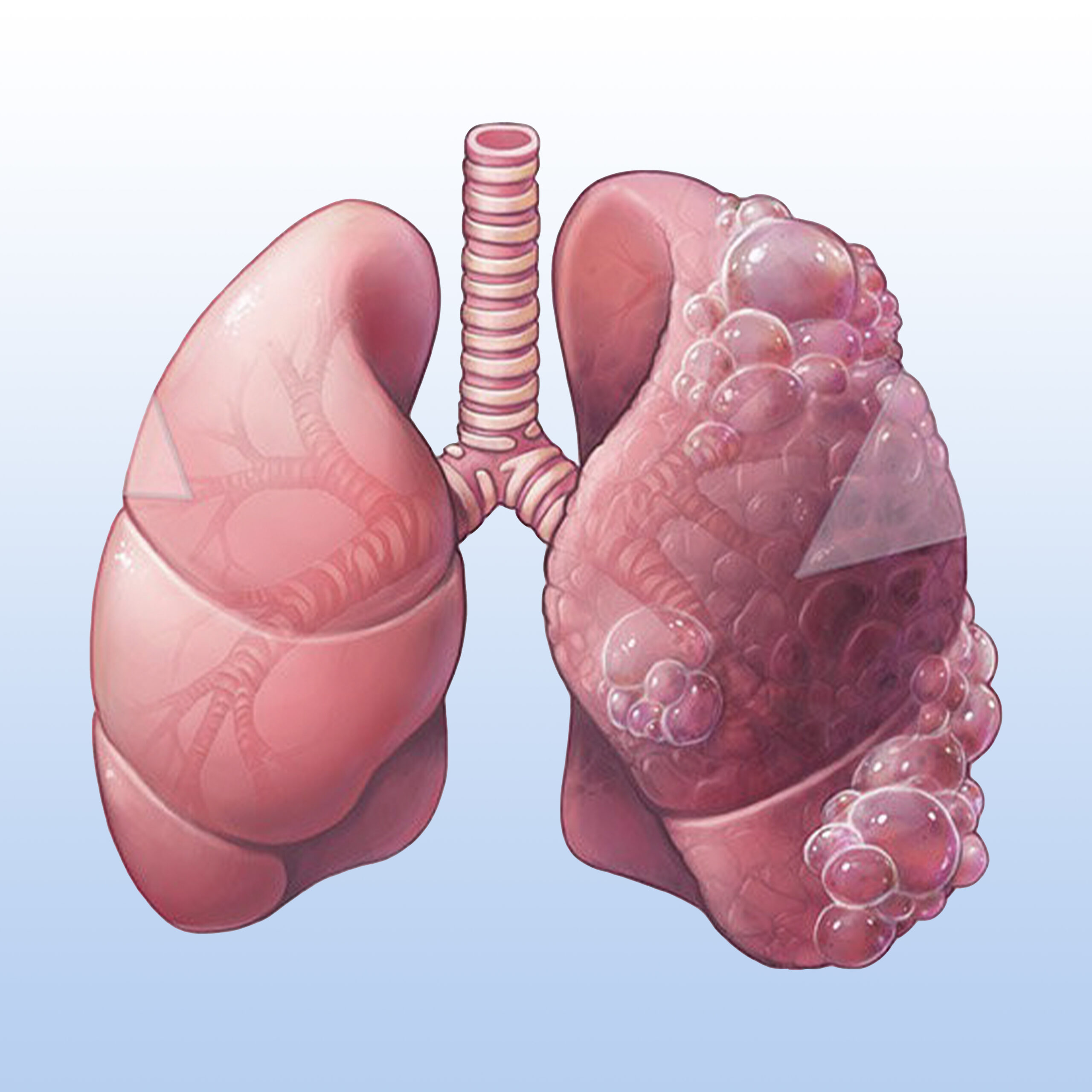
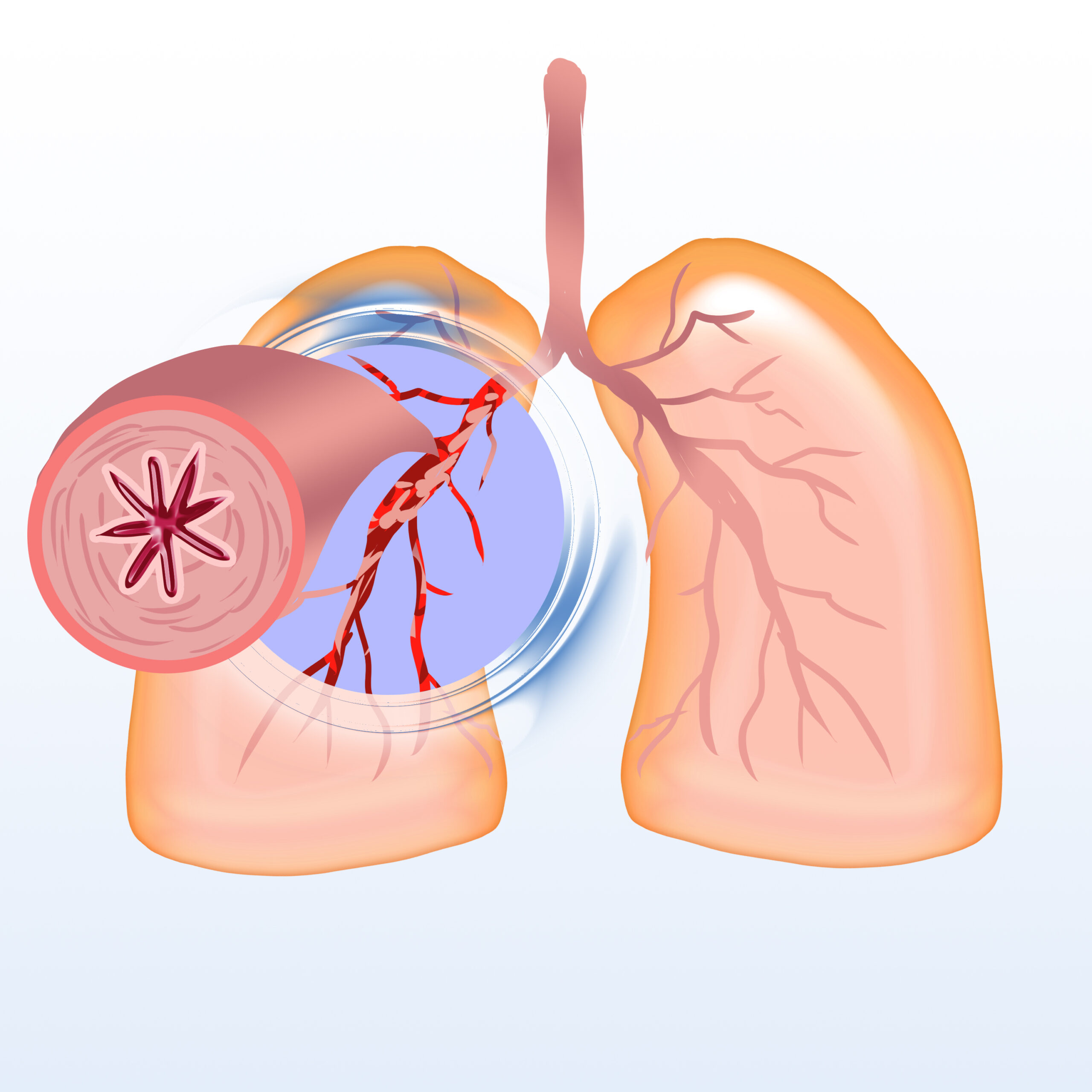
COPD is a common, preventable and treatable chronic airway COPD is a common, preventable and treatable chronic airway disease characterised by persistent airflow limitation and associated respiratory symptoms; pathological changes, mainly airway and/or alveolar abnormalities, are usually associated with significant exposure to noxious particles or gases; genetic predisposition, abnormal inflammatory responses, and a wide range of host factors associated with lung abnormalities participate in the pathogenesis; and severe comorbidities may affect disease manifestations and morbidity and mortality.

The World Health Organisation (WHO) predicts that by 2060 the number of deaths from COPD and related diseases will exceed 5.4 million per year.

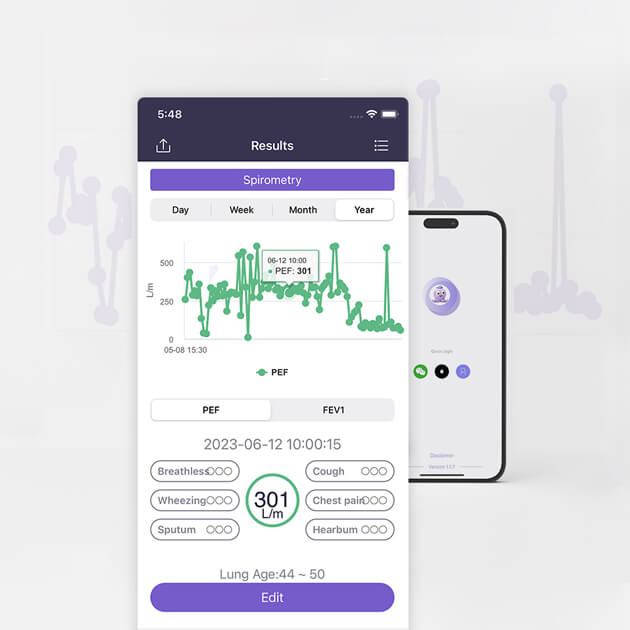
Spirometry

Spirometry is the most effective method for detecting early COPD

Neither X-ray nor arterial blood gas analysis can detect COPD when shortness of breath has not progressed to a severe level; only spirometry can detect COPD in the early stages of the disease.

Spirometry can detect COPD 5-10 years earlier than other methods.

Common lung function tests

1. Pulmonary Function Test (PFT): Includes expiratory volume measurement, spirometry and airflow rate, etc. It is used to assess the functional status of the lungs.
2. Spirometry: Measures the maximum volume and flow rate of the lungs and helps to assess respiratory function. 3. Wheezing test: Measurement of the flow rate of air through the airways, which is valuable for the diagnosis and monitoring of asthma and other diseases. 4. Diffusion Function Test: Assesses the lung’s ability to exchange oxygen and carbon dioxide, which helps to diagnose alveolar disease. 5. Airway Ventilation Mechanics: Assesses the resistance and elasticity of the airways and helps to understand airway diseases.

Pulmonary Rehabilitation

Pulmonary rehabilitation is a comprehensive intervention based on an in-depth assessment of the patient after individualised treatment, including but not limited to exercise training, education, and behavioural change, with the goal of improving the physical and psychological state of the chronic respiratory patient, as well as improving health behaviours over time.

Pulmonary rehabilitation improves pulmonary function and psychological status, improves quality of life, and
It also enhances the ability to adapt to society and reduces the number of hospitalisations and mortality rates.

iBreathe System

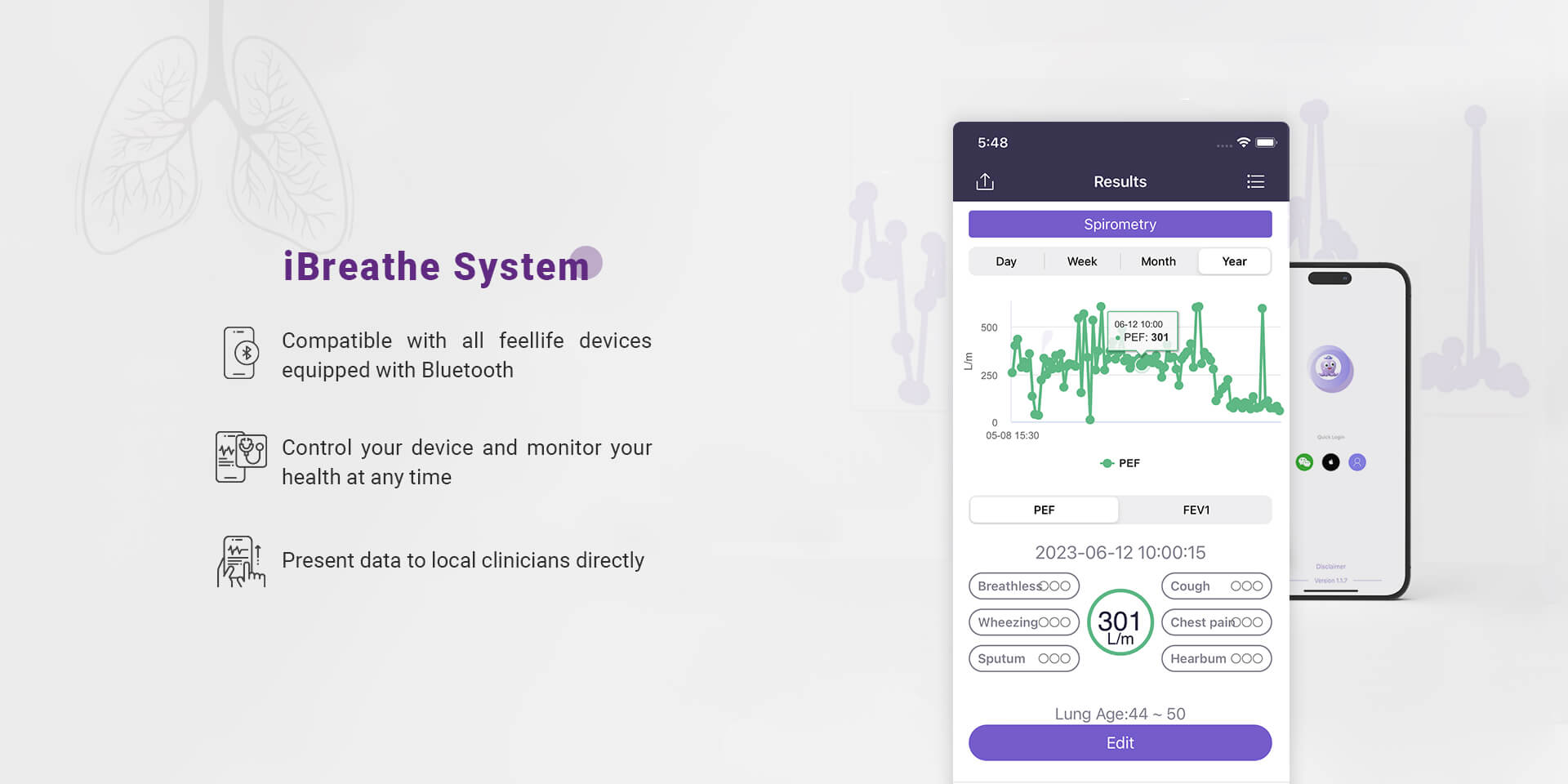
Compatible with all feellife devices equipped with Bluetooth Control your device and monitor your health at any time Present data to local clinicians directly